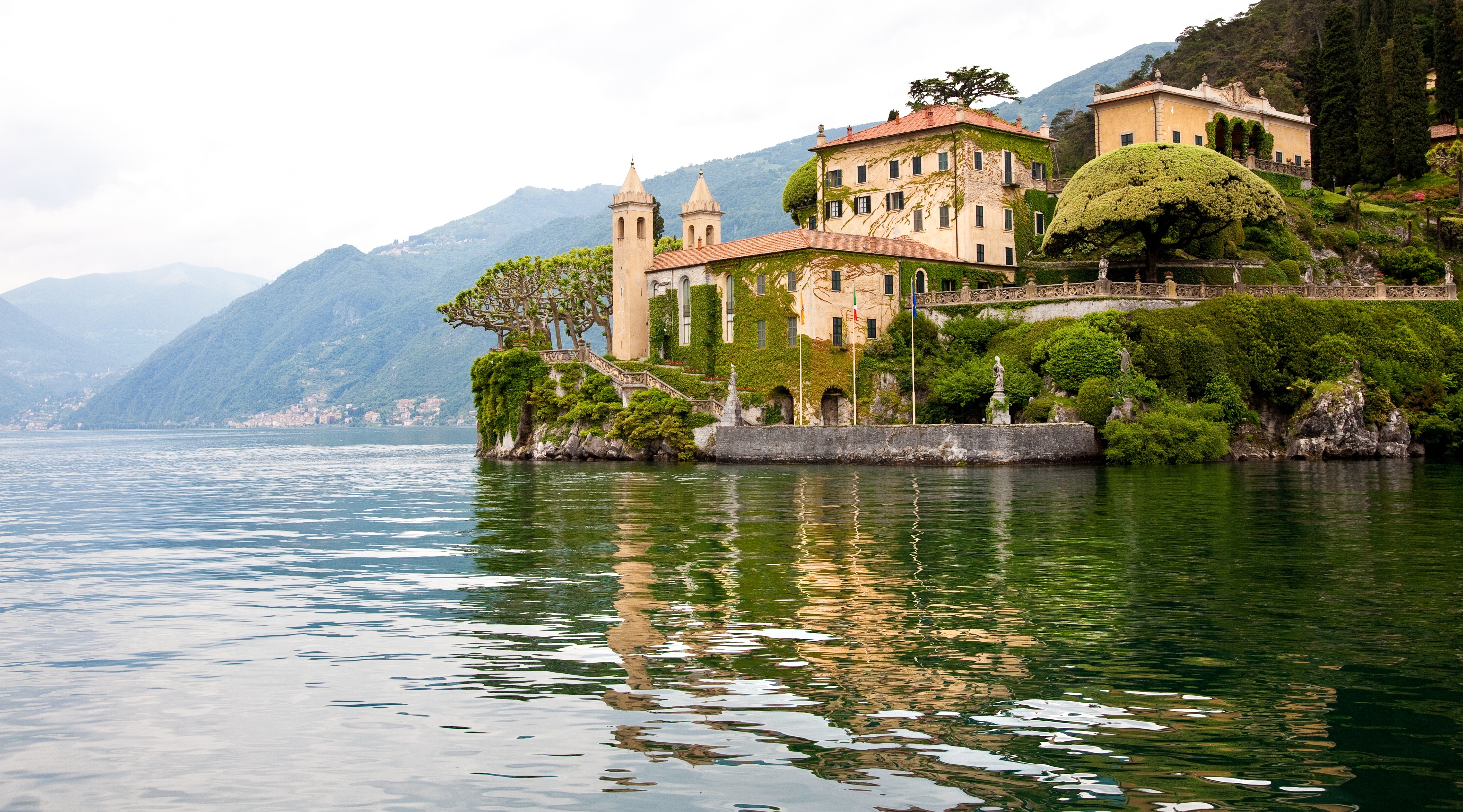
Just a few steps away from the hustle of the metropolis, the countryside around Milan reveals a world of beauty, nature, history, and authentic flavors. From medieval villages nestled in greenery to historic villas surrounded by centuries-old gardens, every corner tells a story waiting to be experienced.
Whether it’s a day trip or a long weekend, the areas surrounding Milan are the perfect destination for those seeking relaxation, culture, and new experiences, without straying too far from the city.
Come and discover another side of Lombardy: closer, more authentic, and full of surprises.
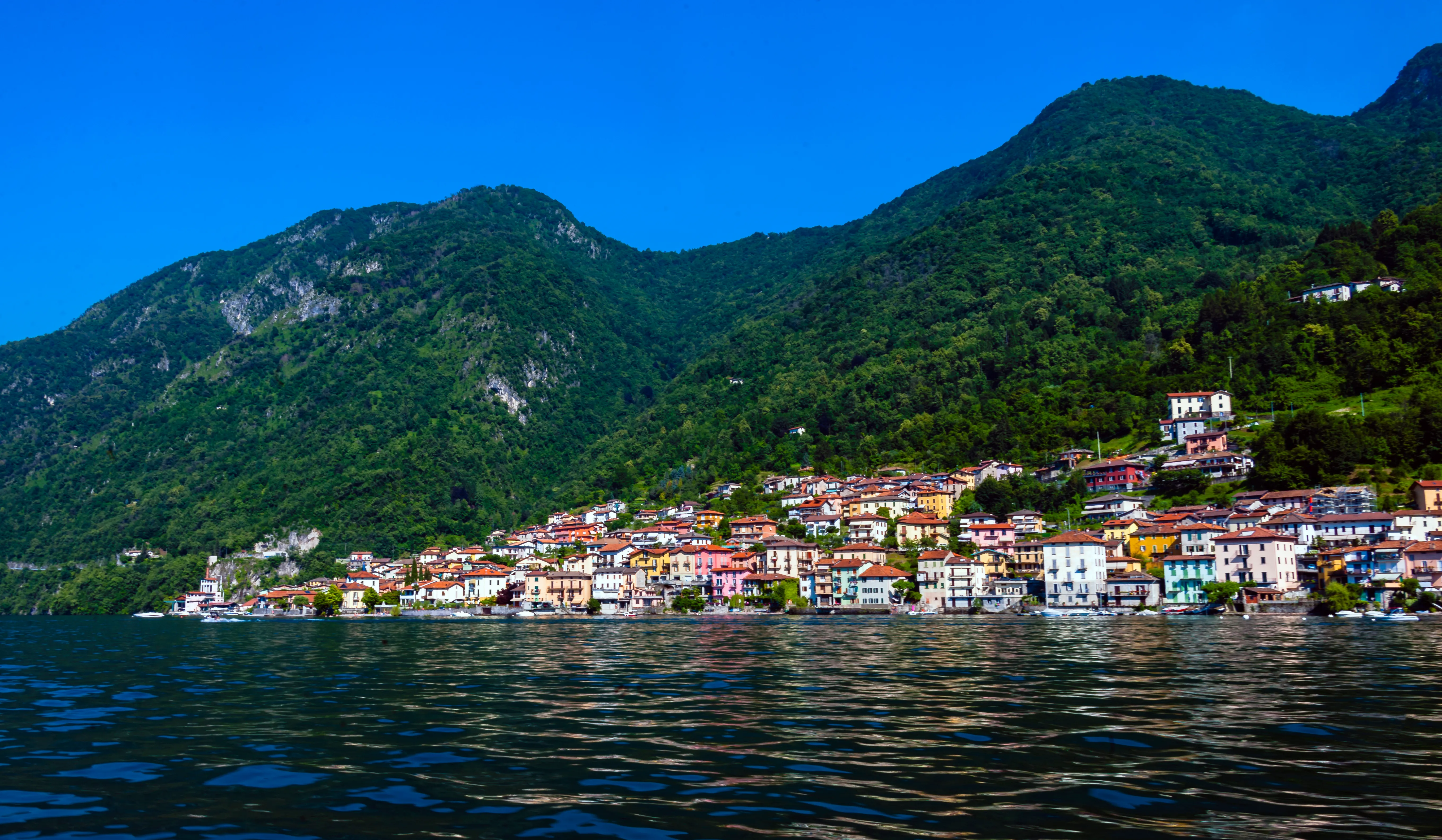
Experience the magic of Lombardy’s lakes, just a stone’s throw from Milan.
Whether it’s the majesty of Lake Como, the elegance of Lake Maggiore, the calm of Lake Monate, the charm of Lake Pusiano, or the beauty of Lake Lecco, each lake has its own unique soul waiting to be discover


Breathe in the fresh air as you stroll along the lakeside, rent a boat, or spend a day on the beach surrounded by nature.
The mountains frame breathtaking landscapes, perfect for hiking, photography, or simply slowing down and recharging.
Orta San Giulio
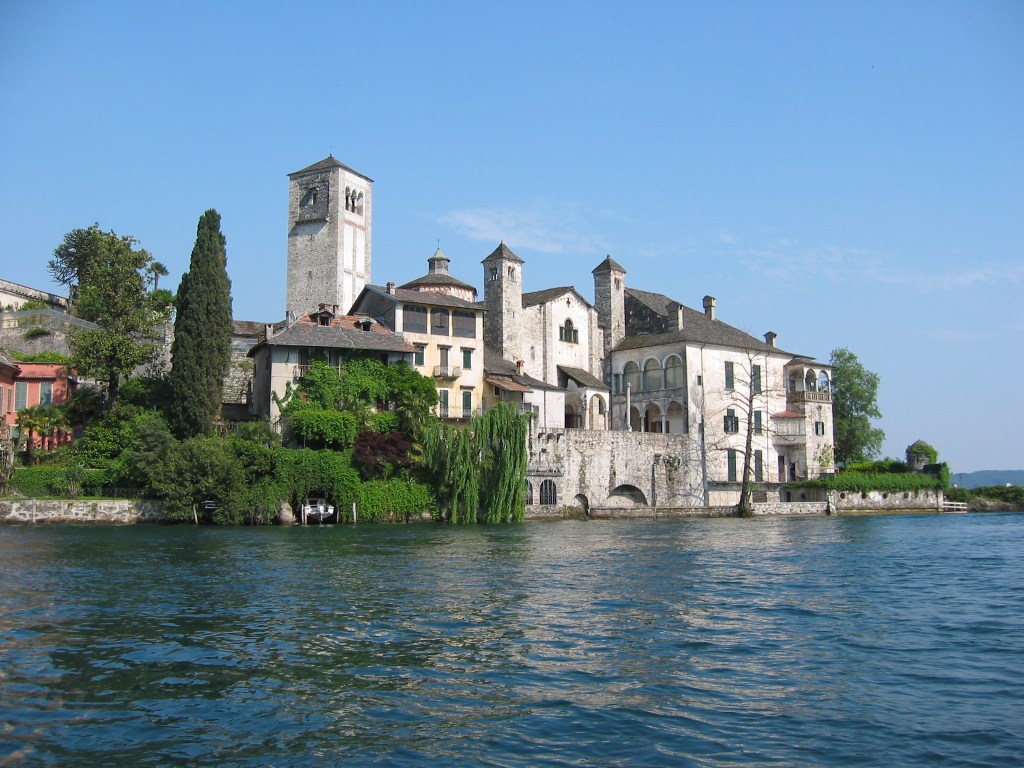
Orta San Giulio rises on the eastern shore of Lake Orta, in Piedmont. It is a fine example of medieval architecture, with narrow alleys, historic buildings, and stunning views of the lake and the Island of San Giulio. Orta San Giulio is considered one of the most beautiful villages in Italy, thanks to its natural and historical charm.
Sacro Monte: On the promontory overlooking the village stands the Sacro Monte of Orta, a UNESCO World Heritage Site.
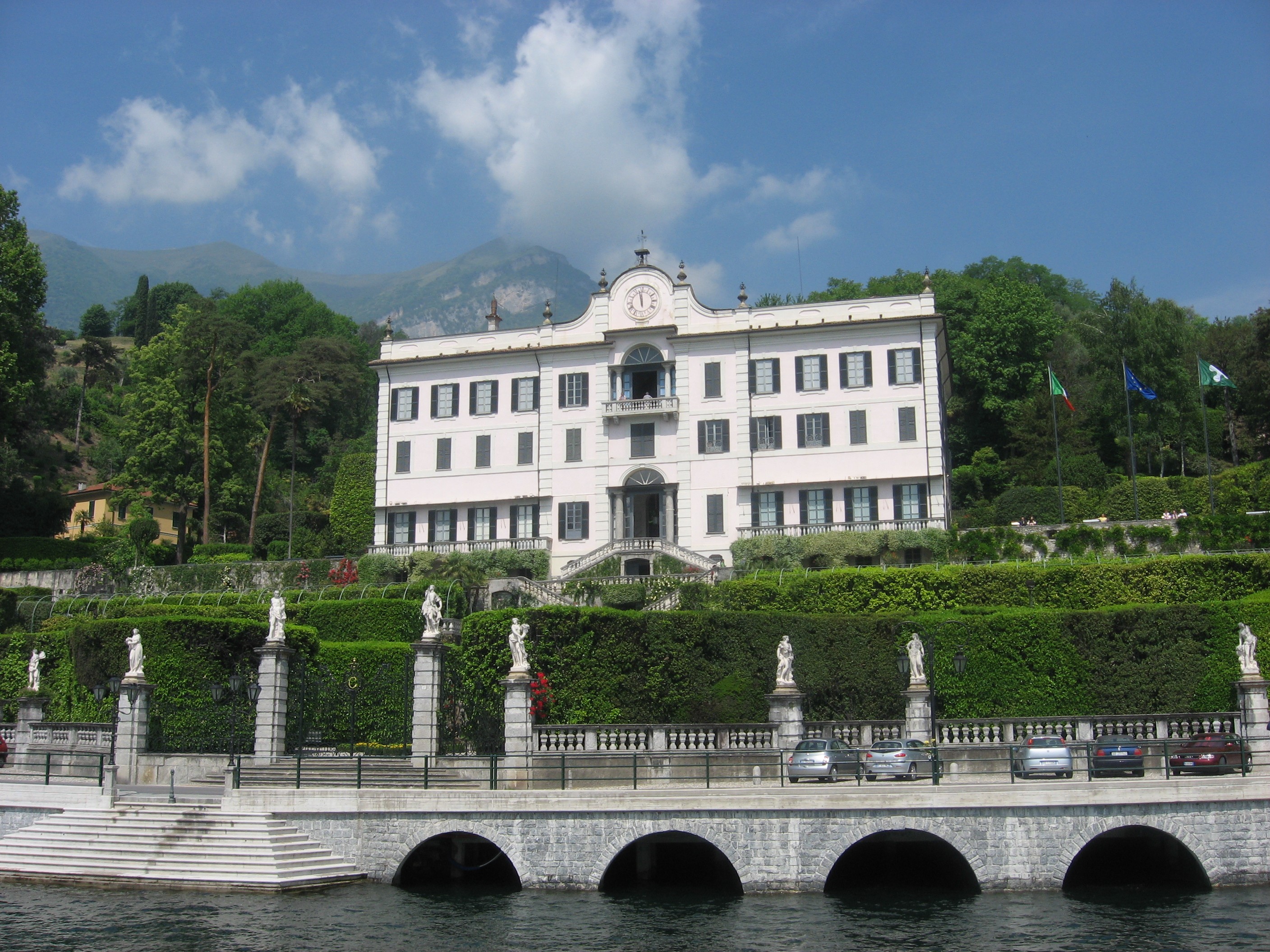
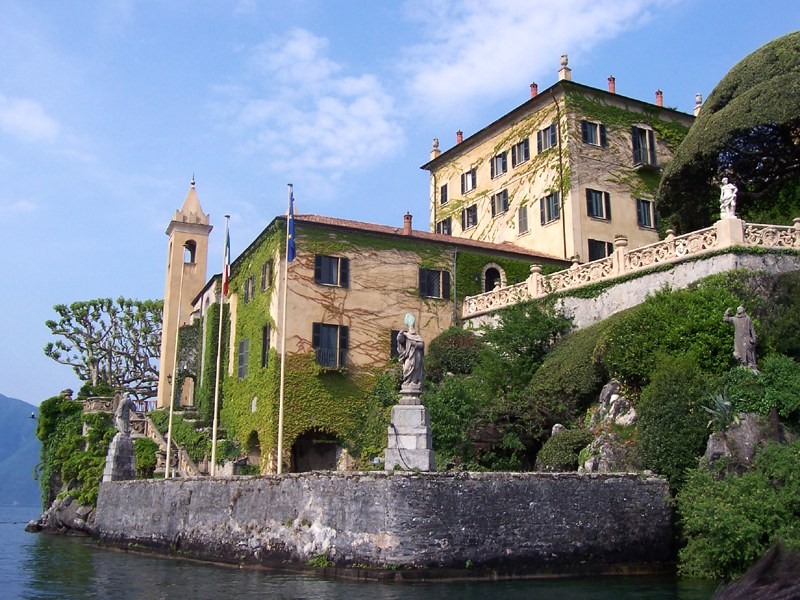
Places like Bellagio, Arona, Angera, Varenna, and Stresa are jewels set on the water, where every alley tells a story.
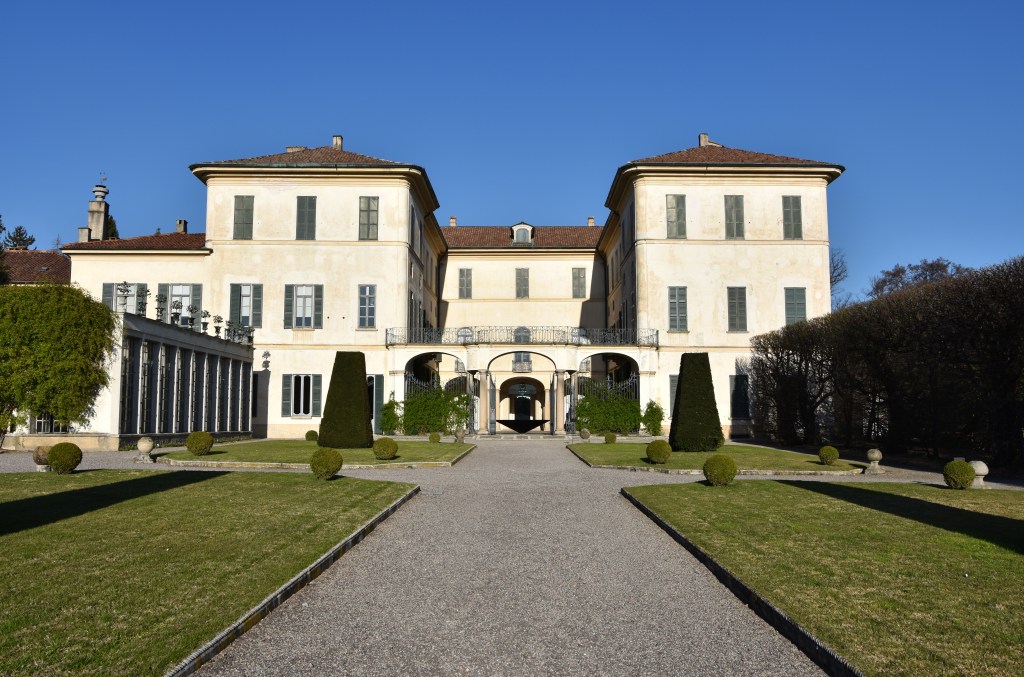
Historic villas such as Villa Carlotta, Villa del Balbianello, and Villa Panza offer spectacular gardens and unique views.
Monza
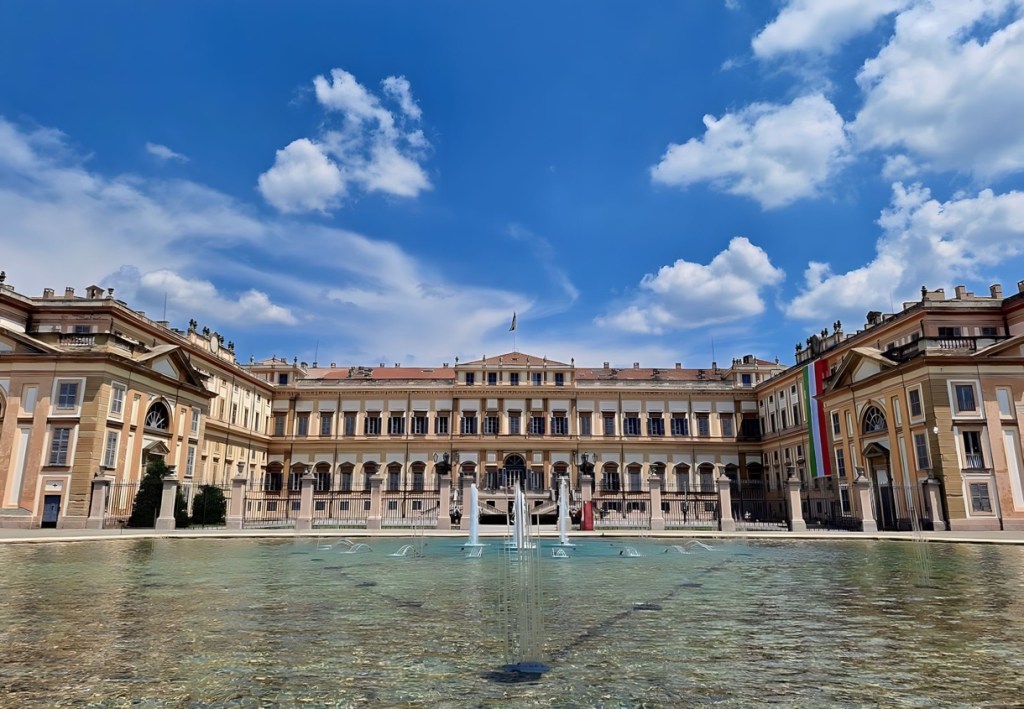
Monza, the regal city of Brianza, famous for its extraordinary Royal Villa and vast park, has much more to offer: culture, events, and hidden gems to discover at a leisurely pace.
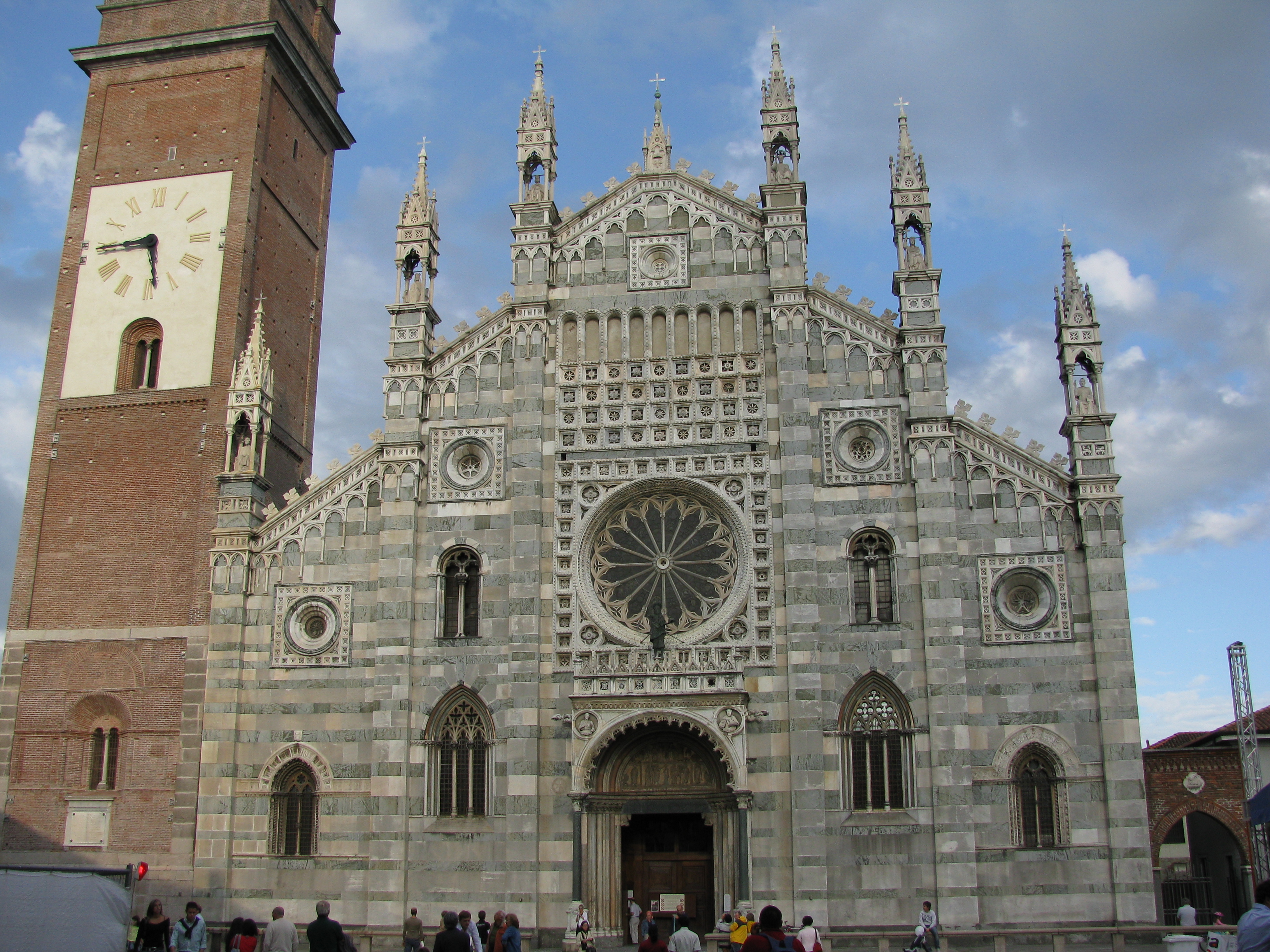

Monza Cathedral
The Cathedral, with its Gothic façade and splendid interiors, houses one of Italy’s most precious treasures: the Iron Crown, symbol of the Holy Roman Empire.
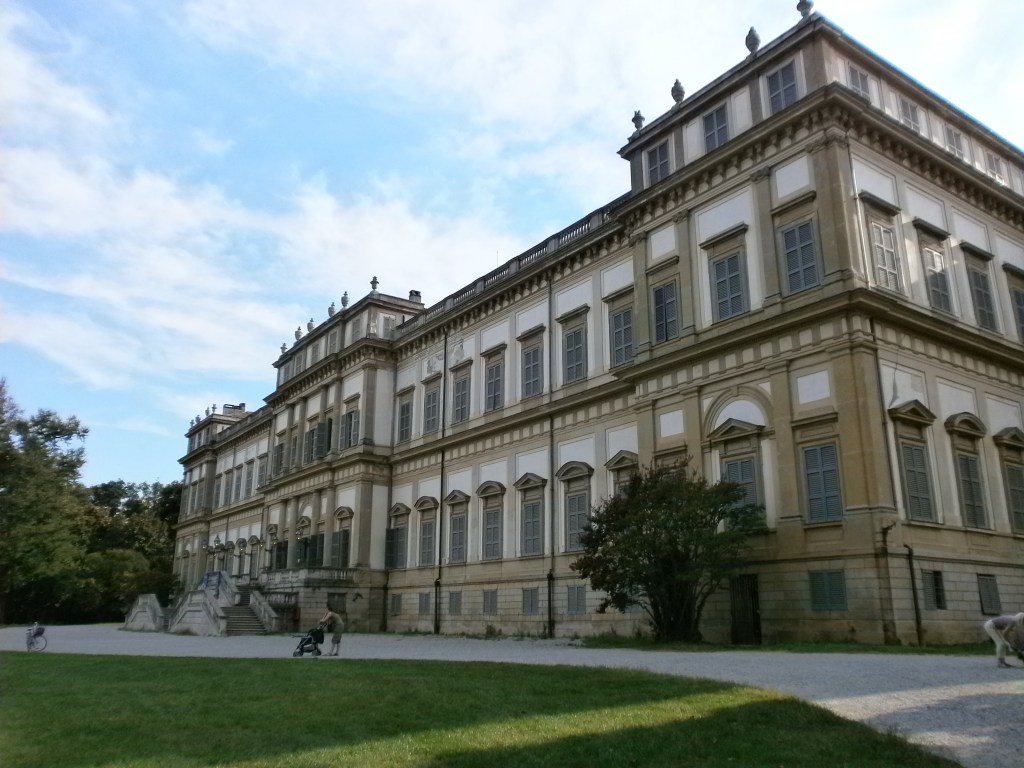
Villa Reale di Monza
A symbol of the city, the Royal Villa is an 18th-century architectural masterpiece commissioned by the Habsburgs. With its elegant interiors, frescoed rooms, and expansive gardens, the villa hosts art exhibitions, cultural events, and unforgettable guided tours.
The Park of Monza – The largest enclosed park in Europe
A green oasis spanning over 700 hectares, perfect for walks, jogging, cycling, or simply relaxing. Inside the park is the National Racetrack, world-famous for Formula 1.

Bergamo and surroundings
Bergamo, the beating heart of the most authentic Lombardy.
Here, amid green hills and snow-capped peaks, every season has a story to tell.
Just a few kilometers from the city center, surprising landscapes await you:
Lake Iseo, with charming towns like Lovere and Sarnico, and the stunning Monte Isola
Lake Endine, perfect for walks, picnics, and peaceful moments of relaxation
The Bergamo Valleys – Val Seriana, Val Brembana, Val Cavallina – paradises for lovers of hiking, skiing, and outdoor activities
Bergamasque culinary tradition is built on simple ingredients and dishes rich in history: casoncelli, polenta taragna, mountain cheeses, artisanal cured meats, and sweets like polenta e osei.
All accompanied by local wines and genuine hospitality.
Città Alta – A jewel suspended in time
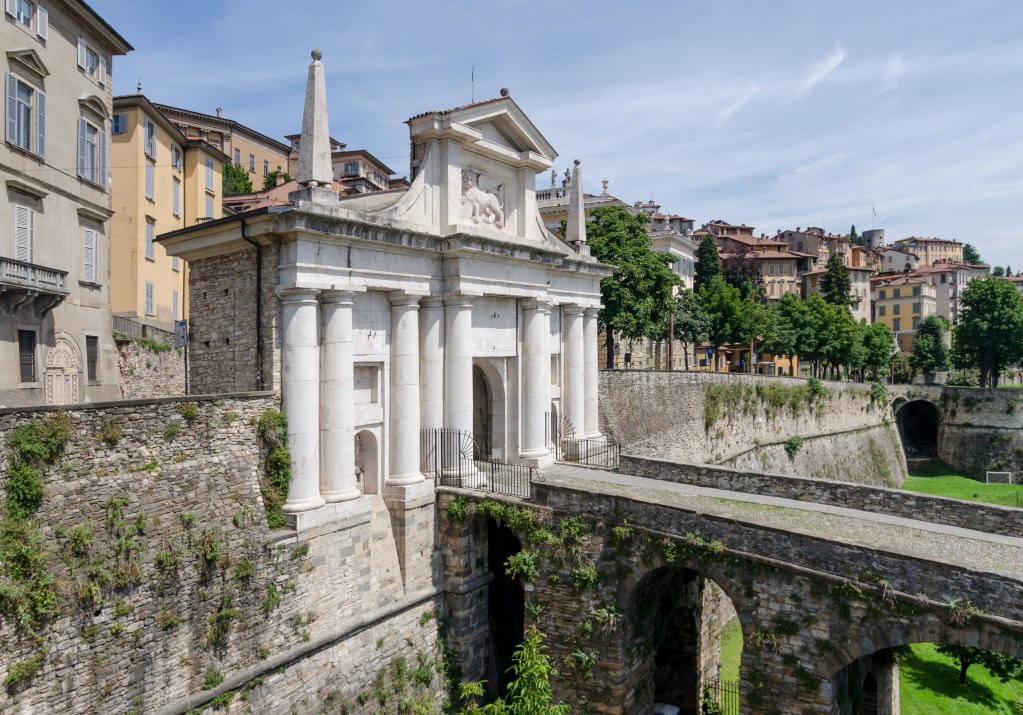
Surrounded by Venetian walls that are a UNESCO World Heritage site, the Città Alta is Bergamo’s historic and artistic heart.
Walking through its cobbled streets means crossing centuries of history: Renaissance squares, frescoed basilicas, medieval towers, and panoramic views over the plains.
An open-air museum, alive and vibrant.
Crespi d’Adda

Crespi d’Adda, a UNESCO Site
In 1995, Crespi d’Adda was added to the UNESCO World Heritage List.
Founded in 1878 on the banks of the Adda River, in the province of Bergamo, this paternalistic experiment inevitably came to an end in the late 1920s, due to the departure of its founders and the changes that took place in the 20th century.
It was an era of great enlightened industrialists, both owners and philanthropists, inspired by a social doctrine. The idea was to provide every worker with a small house, including a vegetable garden and a yard, and to supply all the necessary services for community life: church, school, hospital, recreational facilities, theater, and public baths.
Pavia and surroundings
South of Milan, overlooking the Ticino River, Pavia is a city of subtle charm, rich in art, spirituality, and culture. Its surroundings offer hills dotted with vineyards, ancient medieval villages, riverside parks, and legendary abbeys.
The Oltrepò Pavese is an authentic corner of Lombardy, nestled between the Po River and the Apennines.
Famous for its endless vineyards, it is one of Italy’s most important wine regions, home to Pinot Nero, Bonarda, and classic sparkling wines. But Oltrepò is also nature, with gentle hills, scenic trails, and medieval villages like Varzi and Fortunago.
The cuisine is a tribute to rustic tradition, rich in authentic flavors and local ingredients. From braised meat ravioli to the classic Zuppa alla Pavese, along with aged cured meats and artisan cheeses, every dish tells the story of the land. All best enjoyed with a glass of local wine, surrounded by the warm hospitality of countryside trattorias.


Pavia Cathedral
One of the most imposing churches in Lombardy, featuring the third largest dome in Italy.
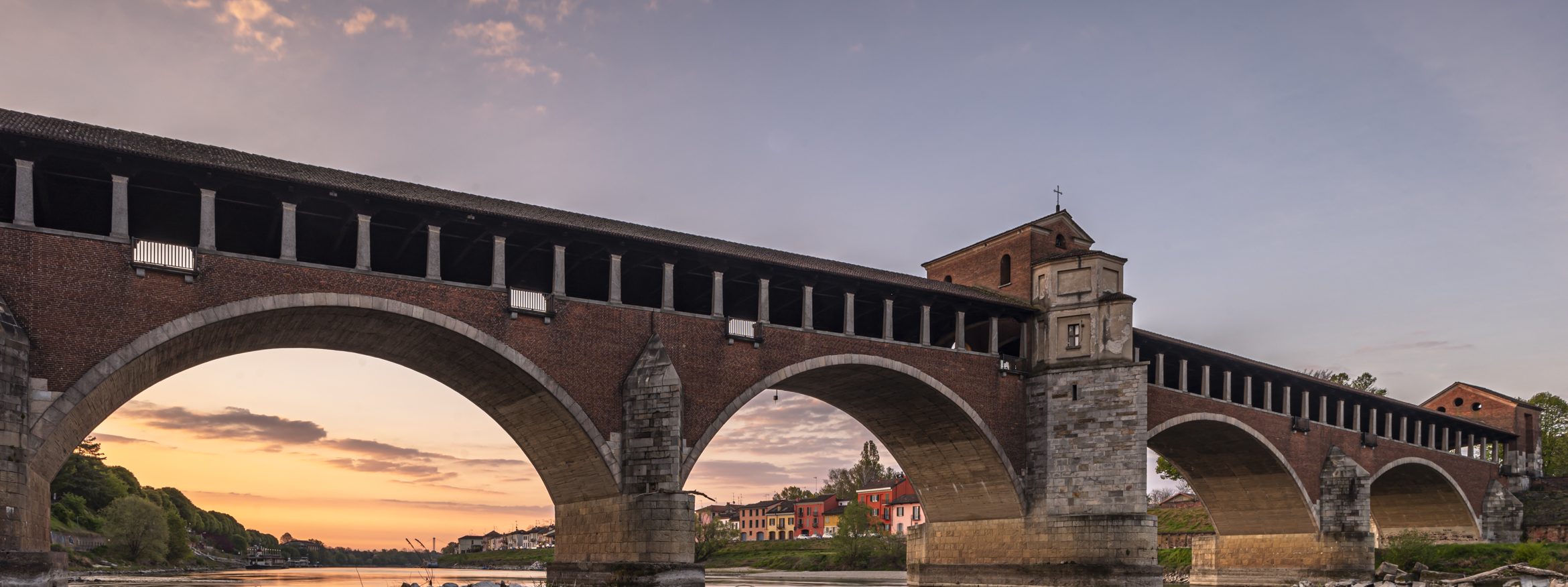
Ponte Coperto and Borgo Ticino
The city’s symbol: the stone-covered bridge spans the Ticino River and leads to the picturesque Borgo Ticino.
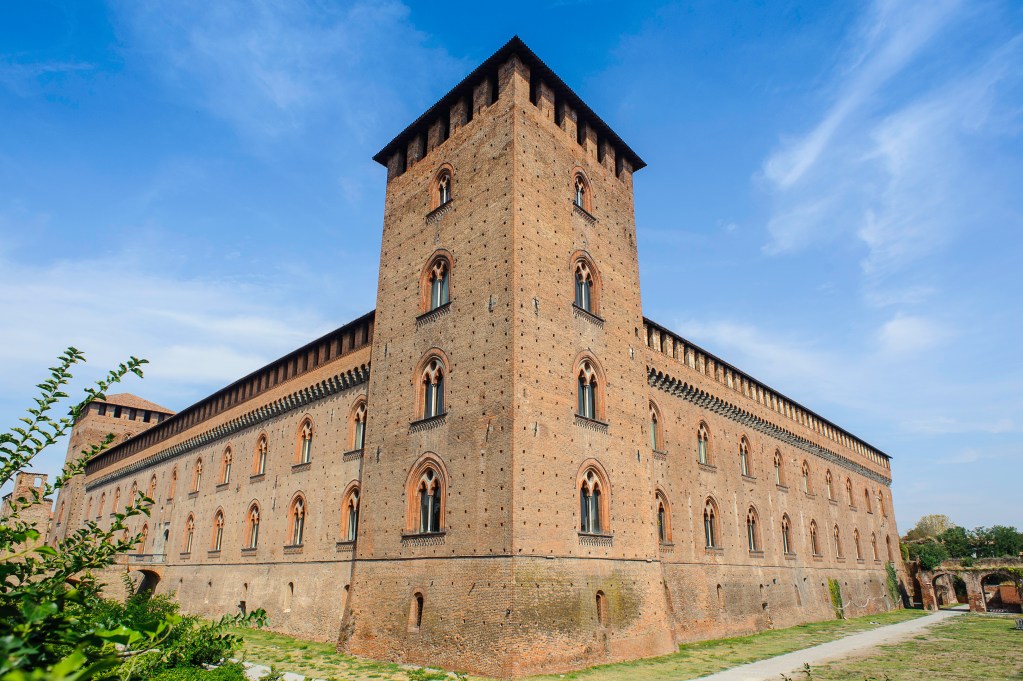
Visconti Castle and Civic Museums
An imposing 15th-century fortress that now houses art collections, archaeology exhibits, and temporary exhibitions.
University of Pavia
One of the oldest universities in Europe (founded in 1361), which has welcomed brilliant minds such as Alessandro Volta.
Certosa di Pavia
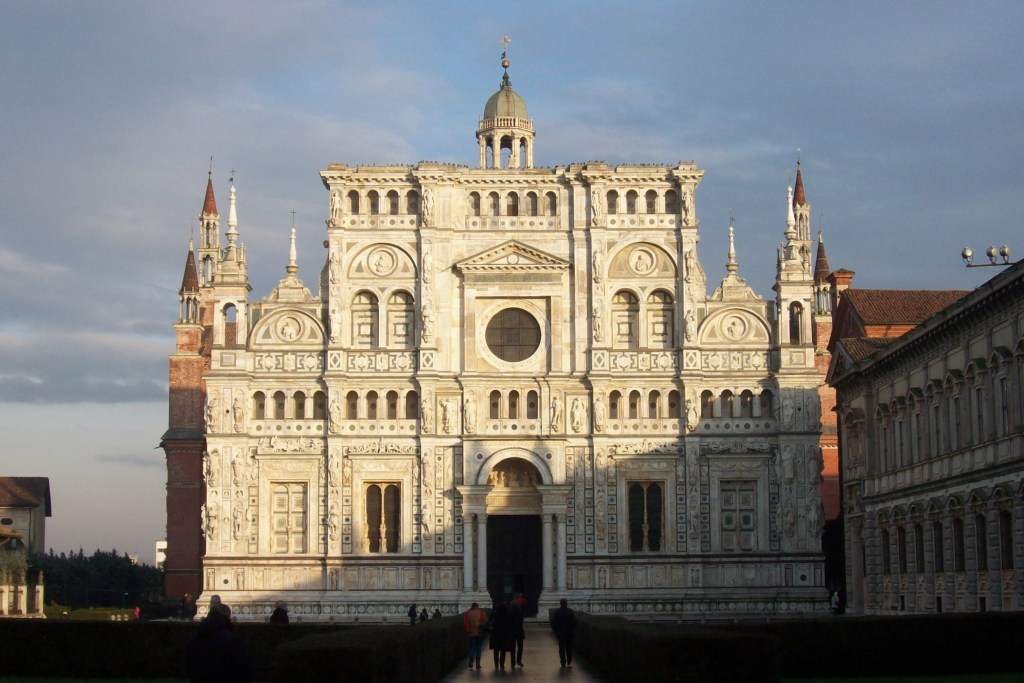
The Certosa is renowned for its rich artistic heritage, which includes works by painters, sculptors, and craftsmen. Inside, you’ll find the Certosa Museum, displaying a collection of historical artifacts and artworks related to the monastery and its history.
It is an impressive monumental complex — a Cistercian monastery and sanctuary located near Pavia, in Lombardy. Construction of the Certosa began in the 14th century and it represents an important example of late Gothic Italian architecture.
The building of the Certosa di Pavia started in 1396 under Gian Galeazzo Visconti, the first Duke of Milan, who intended it as a private chapel and family mausoleum for one of the richest and most powerful dynasties in Europe. The grand structure was meant to have a strong visual impact, much like the Milan Cathedral, which was also under construction at the time, and to symbolize the importance of the dynasty. Visconti hired the most famous architects and artists of the era to work on this monumental complex.